Cutting-Edge Therapies in Development
All our current pipeline products have been developed by Dr. Peter F. Kador and are licensed to Therapeutic Vision. These medications have both United States and international patent coverage.
Diabetic Cataracts in Dogs
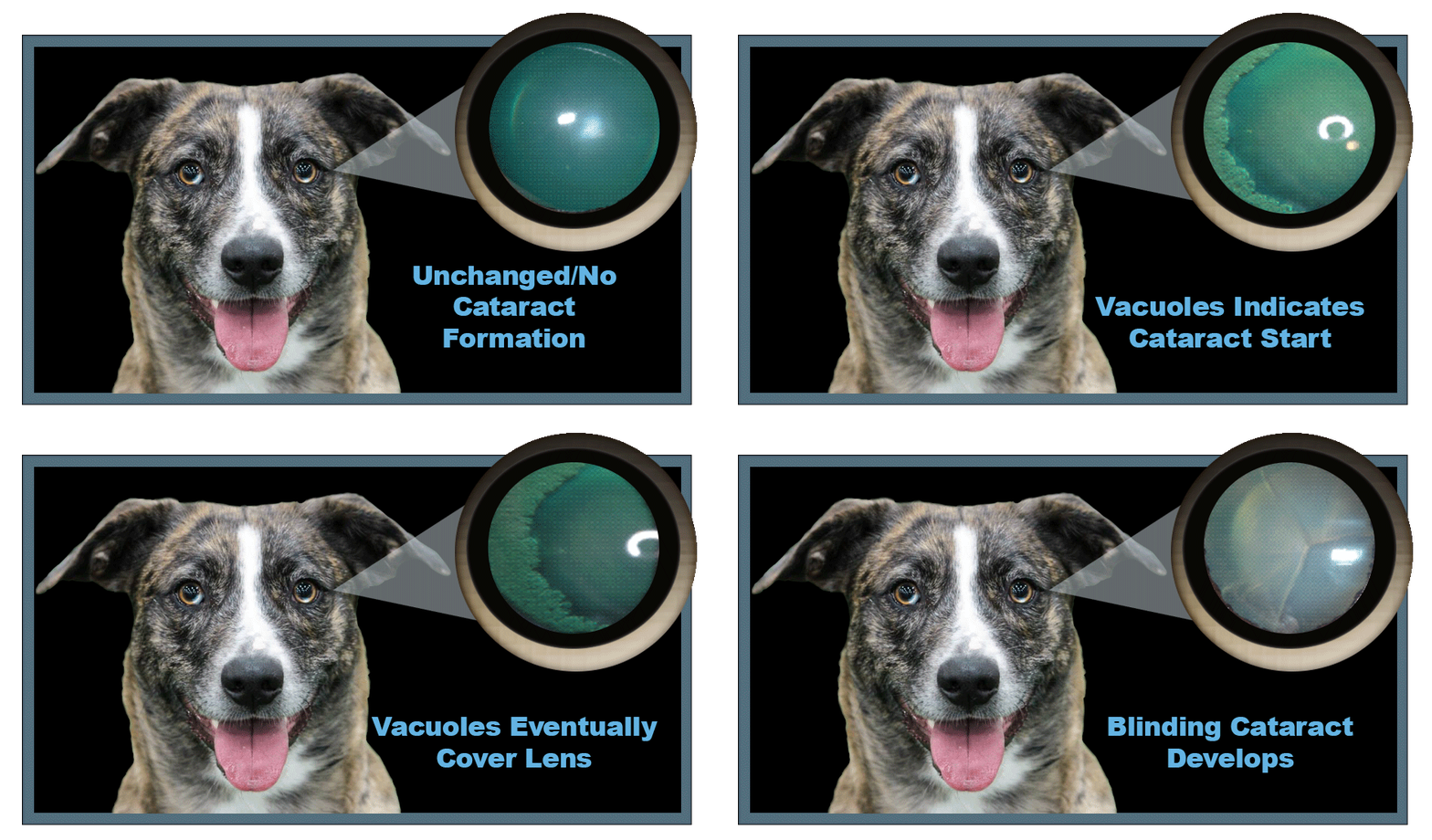
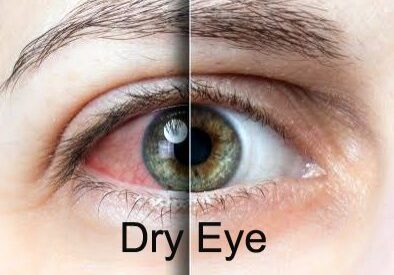
Diabetic dogs can also develop diabetic keratopathy, a common ocular complication that affects the cornea by increasing the risk of dry eye due to altered corneal nerve sensitivity.
Galactosemic Cataracts in Children
Galactosemic cataracts in children are a serious complication of galactosemia, a rare genetic disorder that impairs the body’s ability to process galactose—a sugar found in milk. When galactose accumulates in the lens of the eye, it causes clouding of the lens, leading to impaired vision.


Introducing Kinostat® for Protecting Your Diabetic Dog’s Eyesight
If your dog has diabetes, you know how important it is to manage not just their blood sugar, but also the serious complications that can come with it—especially eye problems like cataracts and dry eye. That is where Kinostat comes in because Kinostat is the first eye drop medication proven to help prevent cataracts and dry eye in diabetic dogs. In a clinical trial, dogs treated with Kinostat were 85% less likely to develop cataracts and 84% less likely to develop dry eye disease. This means a better chance for your dog to keep their vision and avoid the discomfort and complications that often follow cataract surgery or long-term dry eye.
What Makes Kinostat Different?
Diabetes in dogs can damage the eyes by leading to excess production of sorbitol, a sugar alcohol derived from glucose that harms the lens and corneal nerves. Kinostat works by blocking sorbitol formation, helping to block the harmful effects of this sugar and protect your dog’s eyes from long-term damage
Many diabetic dogs also suffer from dry eye disease, especially after cataract surgery. This can lead to chronic irritation, infections, and vision loss. Kinostat helps reduce this risk too—before it becomes a bigger problem.
Safe and Effective
Kinostat has undergone extensive safety and effectiveness testing and is on track to become the first approved treatment of its kind for dogs. While we are still completing the final steps of the approval process, we are working hard to bring Kinostat to market as soon as possible.
Looking Ahead
While our focus is currently on helping dogs, the same kind of eye damage also affects humans with diabetes. Our long-term goal is to expand the benefits of Kinostat to people as well starting with your pets today.
Kinostat: Helping diabetic dogs see a brighter future.
If you would like updates on availability or how to talk to your veterinarian about Kinostat, let us know and we can help you stay informed.
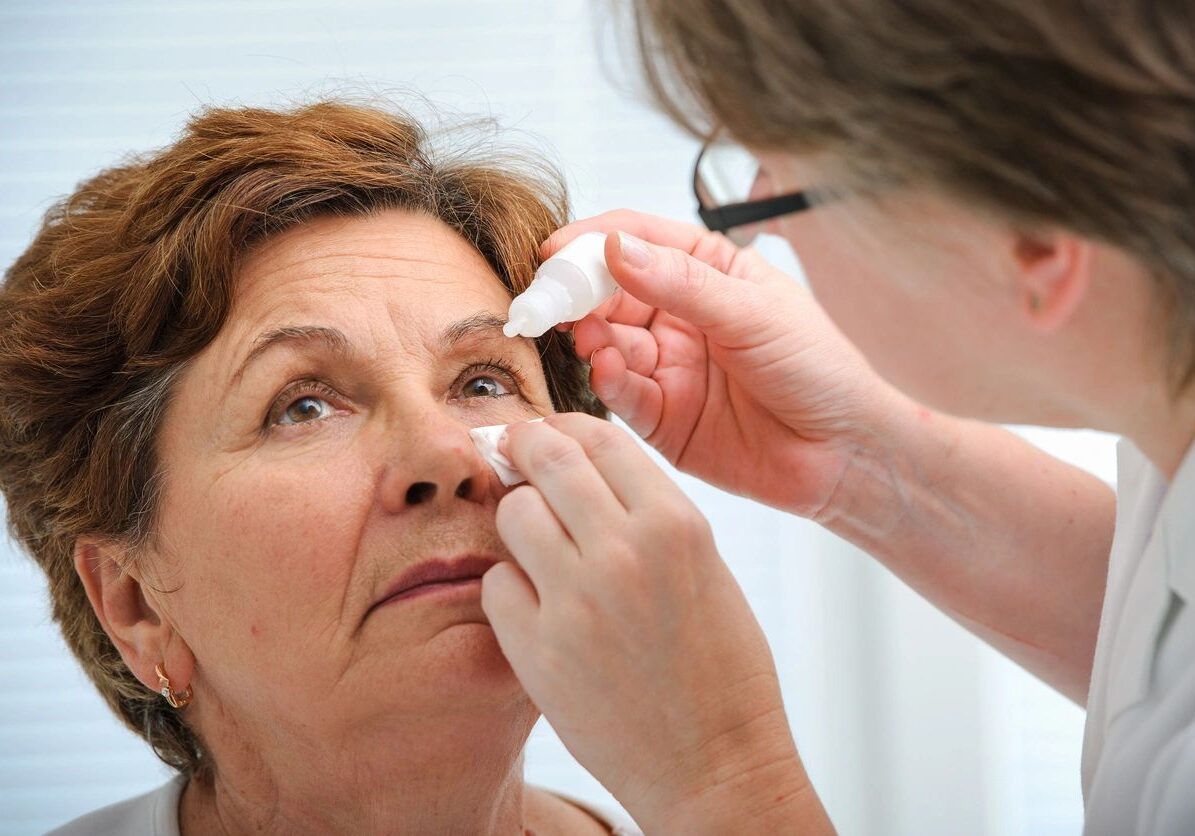
Topical Nutraceutical – Daily Antioxidant Support for Your Eyes
You and your pet’s eyes are exposed every day to light, pollution, and age-related changes that can trigger oxidative stress—a key contributor to eye conditions such as cataracts, dry eye, and retinal damage. That’s why we developed Therapeutic Eye Health, a patented topical nutraceutical eye ointment made with a unique blend of natural ingredients clinically shown to support ocular health. This gentle, antioxidant-rich formula helps protect and preserve vision—naturally—for both you and your pet.
Optixcare® Eye Health— What Is It?
This topical blend of natural antioxidants—including Astaxanthin, Resveratrol, Ethyl Pyruvate, and EGCG (from green tea)—works to neutralize harmful free radicals, reduce inflammation, and protect the eye from damage caused by aging, pollution, and chronic conditions such as dry eye. Originally developed and patented by Therapeutic Vision, this nutraceutical has been licensed to Aventix Animal Health and is marketed for companion animals as Optixcare® Eye Health.
How Does It Help?
Scientific studies have shown that this antioxidant blend can delay the development of cataracts, reduce retinal degeneration, help maintain normal tear production, and prevent unsightly tear staining—especially in light-colored dogs.



Multifunctional Redox Modulators (MFRMs®)
Understanding Oxidative Stress and How It Affects the Body
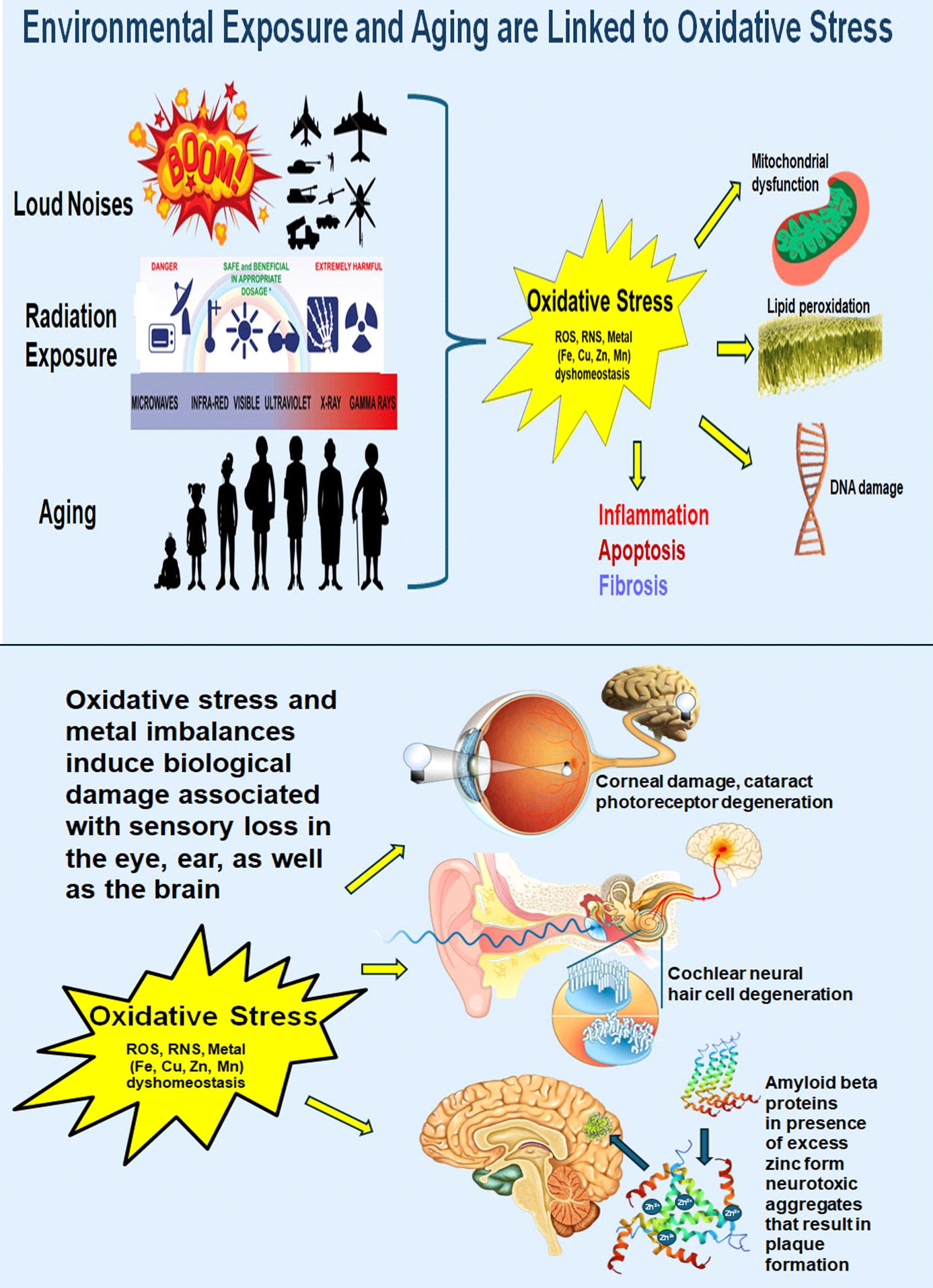
Our bodies depend on a delicate balance of chemical reactions that involve the transfer of electrons—these are known as redox reactions. When everything is working properly, these reactions help keep our cells healthy and functioning. However, when this balance is disturbed, especially by harmful molecules called free radicals, it leads to something known as oxidative stress. This can damage vital parts of our cells, including fats, proteins, DNA, and the energy-producing structures called mitochondria. Oxidative stress is often made worse by a buildup of certain metals in the body—like iron, copper, and zinc—which can trigger the production of even more harmful free radicals. Over time, this damage contributes to serious problems like chronic inflammation, vision and hearing loss, and even brain diseases.
A New Approach: Redox Modulators (MFRMs)
Therapeutic Vision is developing a new class of treatment compounds called MFRMs (short for Multifunctional Redox Modulators or Metal-Free Radical Modulators). These are designed to protect the body from the harmful effects of oxidative stress.
What makes MFRMs different?
They neutralize free radicals before they can damage cells. They capture and safely move metals like iron and copper, preventing these metals from creating more damage. They protect nerve cells and mitochondria, especially in sensitive areas like the eyes, ears, and brain They can even block toxic forms of metals linked to Alzheimer’s and age-related eye diseases. Unlike typical antioxidant supplements or metal chelators, MFRMs work where they are needed most—in the eyes, ears, and central nervous system—just by being taken orally.
How MFRMs Help
- MFRMs provide Vision Protection. They have been shown in animal studies to protect the eyes from damage caused by radiation (like gamma rays), and different wavelength of light such as UV light (strong sunlight) and dark-adapted retinal degeneration which refers to a condition where the retina, particularly the photoreceptor cells responsible for vision lose function. They help prevent cataracts, preserve vision, and protect the retina from damage and degeneration.\
- MFRMs protect against Aging-linked Proteins in the Brain and Eye Diseases. MFRMs help fight the build-up of harmful plaques made of a substance called amyloid beta, which is linked to Alzheimer’s disease, age-related macular degeneration (AMD), glaucoma, and age-related cataracts.
- MFRMs protect against Hearing Loss Protection induced by loud noises and acoustic blasts associated with miliary weapons, and certain antibiotics. These situations can trigger oxidative stress and metal overload in the inner ear, damaging the hair cells and nerves needed for hearing.
In Summary
Therapeutic Vision’s MFRMs are an exciting new kind of treatment designed to protect sensitive tissues—like the eyes, ears, and brain—from the harmful effects of oxidative stress. With both medical and military uses, these compounds may one day help prevent or slow down vision loss, hearing damage, and even neurodegenerative diseases.